
Quick Summary
Cocoon bedroom sanctuary ideas center on deep, grounding colors, layered soft textures, and warm dim lighting — a combination designers link directly to better sleep, not just a calmer-looking room.
Cocoon bedroom sanctuary ideas are being called the defining sleep trend of 2026, and unlike a lot of design fads, this one is backed by something more than aesthetics. The concept borrows its name from an actual cocoon — a protective, enveloping space built for restoration — and applies that same logic to a bedroom.
What makes this trend different from just “cozy bedroom decor” is intention. Every layer, from wall color to lighting temperature, is chosen specifically to help your nervous system power down, not just to look good in photos.
This guide walks through exactly how to build that feeling into your own room.
At a Glance
- Deep, grounding colors — sage, terracotta, warm charcoal — support rest better than bright neutrals
- Layering at least three soft textures creates the “wrapped up” feeling this trend is named for
- Warm, dim lighting signals your body to wind down in a way cool overhead light never will
- This isn’t about buying more — it’s about choosing fewer, more intentional, tactile pieces
- The look works in small bedrooms too, often more effectively than in large, open ones
Table of Contents
1. What Makes a Bedroom Feel Like a Cocoon
2. Choose Deep, Enveloping Colors Over Bright Neutrals
3. Layer Soft Textiles for a Wrapped-Up Feeling
4. Create Enclosure With a Canopy or Curtained Bed
5. Use Warm, Dim Lighting to Signal Wind-Down Time
6. Bring in Natural Textures for Grounding Warmth
7. Understand Why This Aesthetic Supports Better Sleep
8. Apply the Cocoon Feel in a Small Bedroom
9. Mistakes That Make a Cocoon Bedroom Feel Stuffy
10. Pro Tips to Build This Look Gradually
Comparison Table: Cocoon vs. Minimalist vs. Boho
Final Thoughts
Frequently Asked Questions
1. What Makes a Bedroom Feel Like a Cocoon
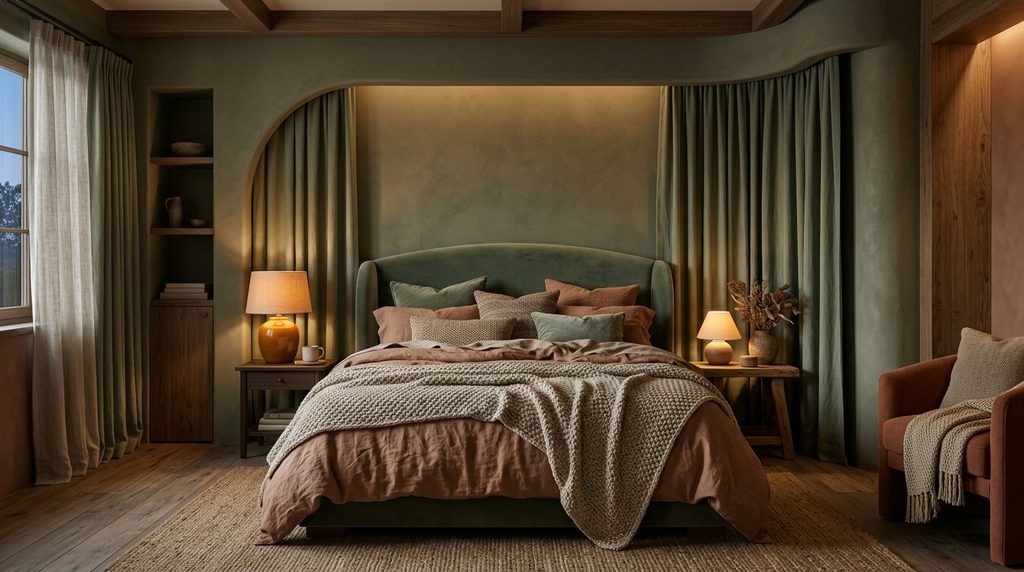
Cocoon bedroom aesthetic is built around one core idea: the room should feel protective and enveloping, the same way an actual cocoon shields something vulnerable while it rests and transforms.
- Designers describe it as rooted in sensory comfort and psychological safety, not just visual style
- Every element — color, texture, lighting — is chosen to help the nervous system power down
- Unlike trends focused on looking impressive, this one prioritizes how the room actually feels to be in
I used to think “cozy” and “cocoon” meant the same thing, but the difference clicked once I realized cocoon is about enclosure specifically — a room that wraps around you, not just one with soft blankets scattered around.
2. Choose Deep, Enveloping Colors Over Bright Neutrals
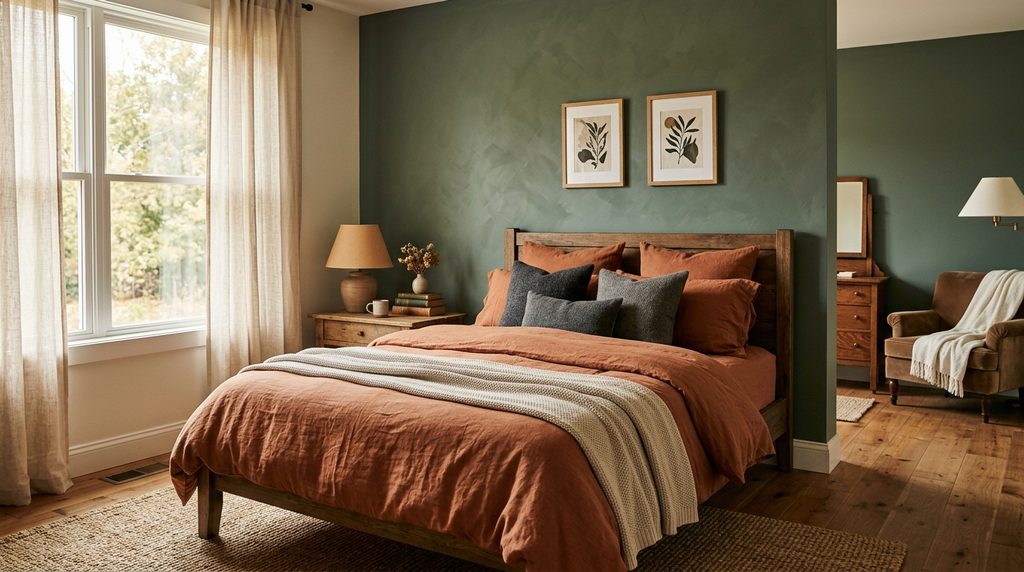
Cocoon bedroom colors lean deep and grounding — sage, terracotta, warm charcoal — rather than the bright whites and cool grays that dominated bedroom design for the last decade.
- Earthy, muted tones create what designers call an “emotionally supportive” environment for rest
- More than half of homeowners now prefer warm, grounding neutrals over stark white, a notable shift from previous years
- A single deep-toned accent wall behind the bed can carry this feeling without darkening the whole room
My own bedroom used to be all bright white, and it always felt more like a blank canvas than a place to actually unwind. Repainting one wall in a deep sage tone changed that almost immediately.
If you’re drawn to even deeper, moodier tones, our Dark Moody Boho Bedroom Ideas guide takes this same grounding concept further with richer, more dramatic color choices.
3. Layer Soft Textiles for a Wrapped-Up Feeling
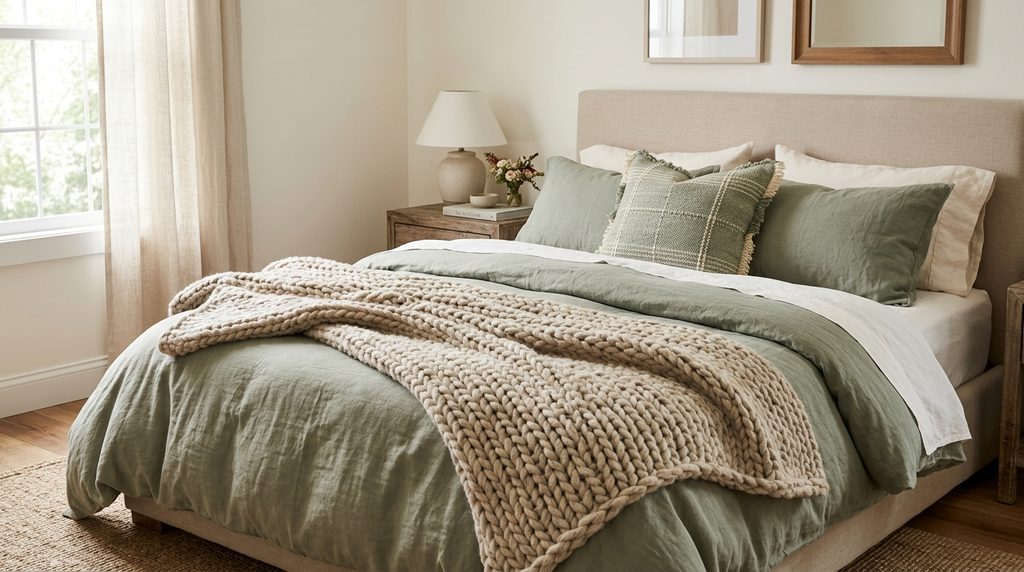
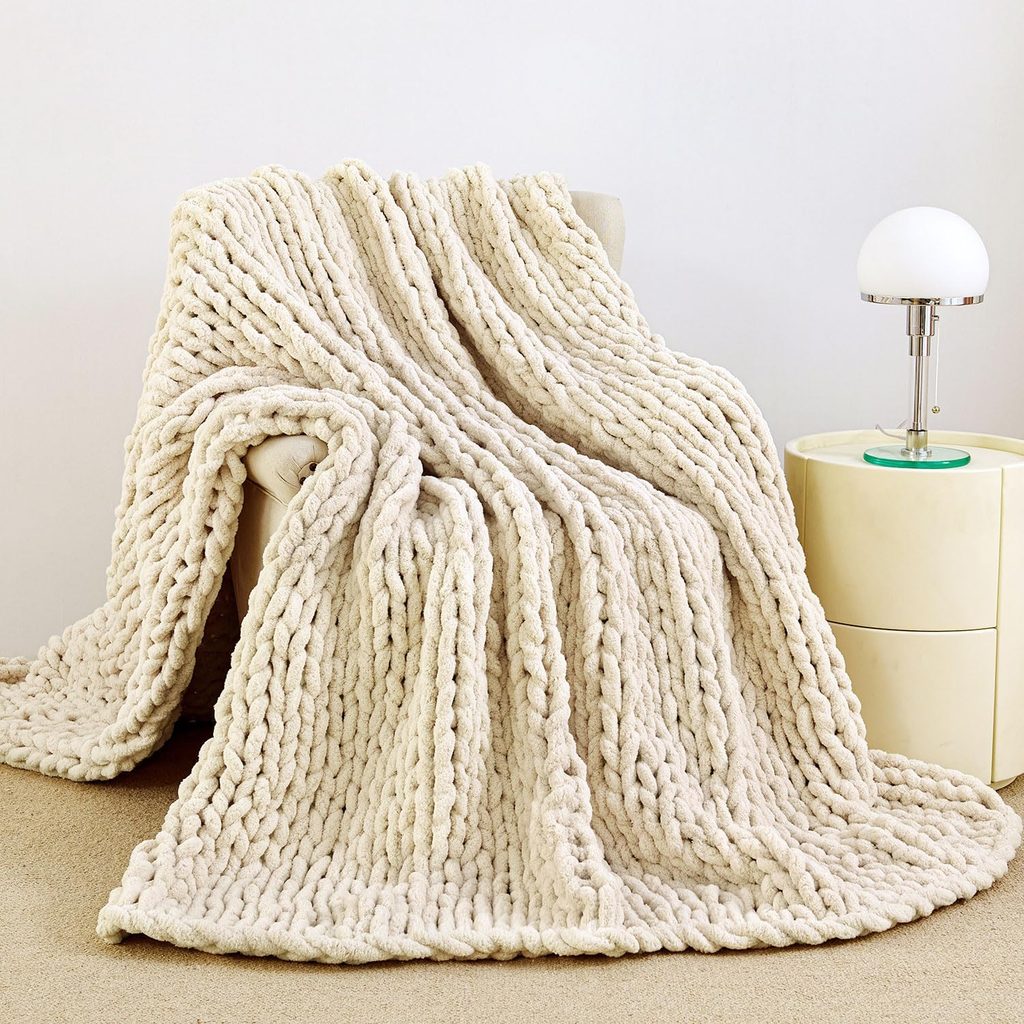
Cocoon bedroom textiles are what actually create the “wrapped up” sensation this trend is named for — a single blanket won’t do it, but three or four layered textures will.
- Combine at least three textures — a chunky knit throw, a plush duvet, and a textured pillow — for real depth
- Layering matters more than any single expensive item; how the pieces work together creates the enveloping effect
- A heavier throw at the foot of the bed adds both visual weight and literal warmth
Adding one chunky knit throw over my regular duvet did more to make the bed feel like a place I wanted to disappear into than any other single change I made.
4. Create Enclosure With a Canopy or Curtained Bed
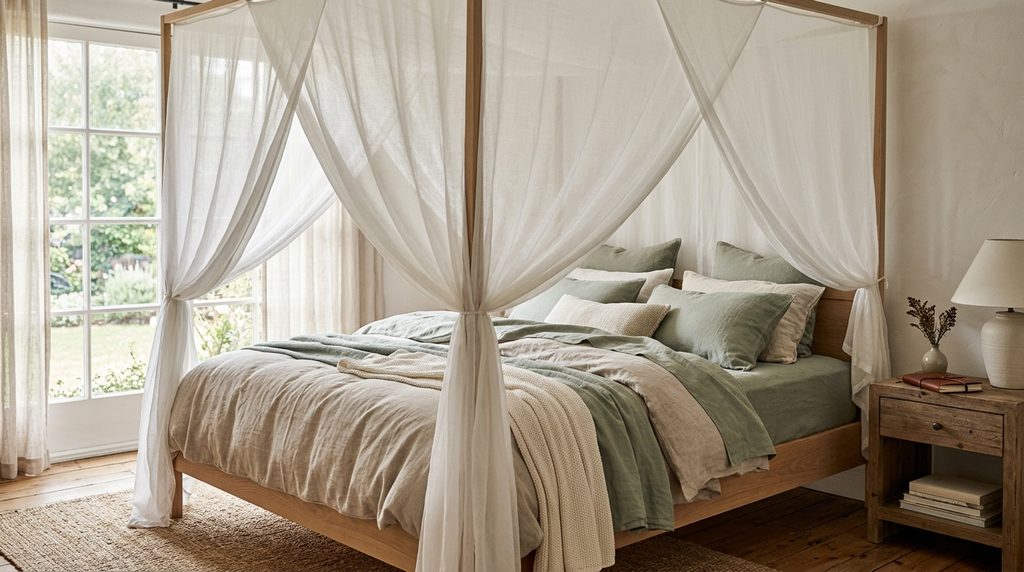
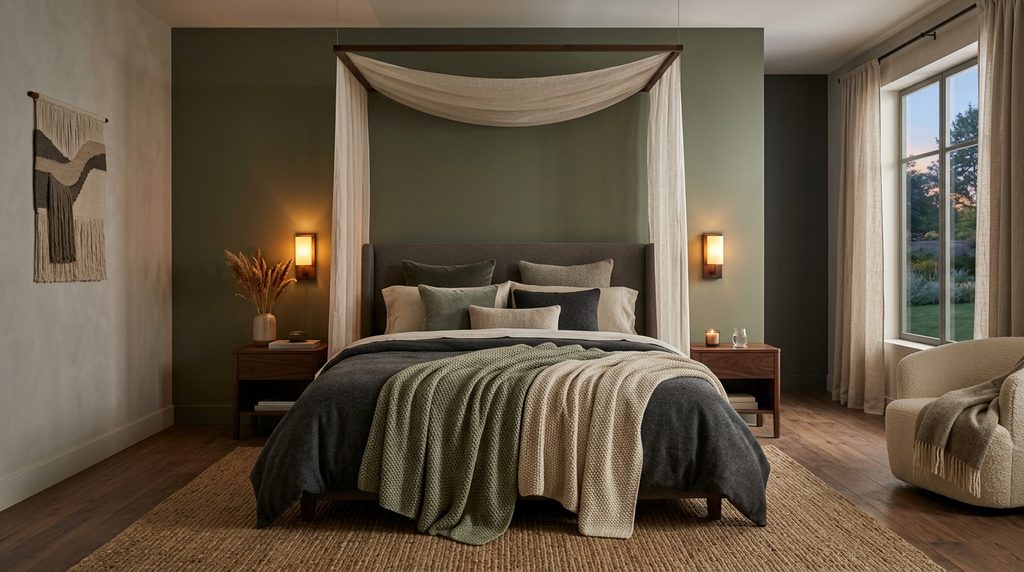
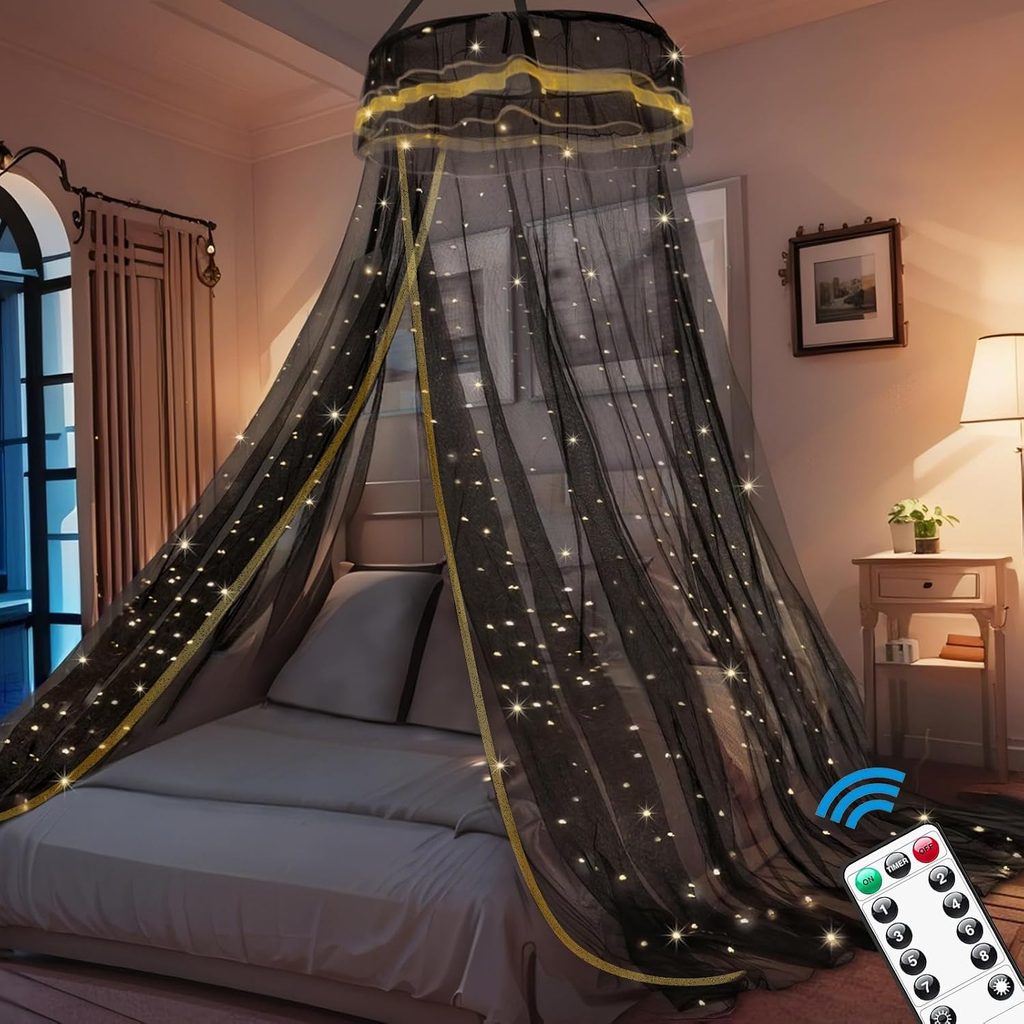
Cocoon bed ideas often include some form of physical enclosure — a canopy, curtain, or high headboard — that gives the bed itself a protective, nest-like quality.
- A sheer or lightweight canopy adds enclosure without making the space feel closed off or heavy
- An upholstered headboard that extends higher than standard creates a similar wrapped-in feeling
- This element is optional, but it’s one of the fastest ways to visually signal “sanctuary” the moment you walk in
Hanging a simple canopy over my bed felt almost theatrical at first, but within a week it had become the part of the room I looked forward to the most at night.
5. Use Warm, Dim Lighting to Signal Wind-Down Time
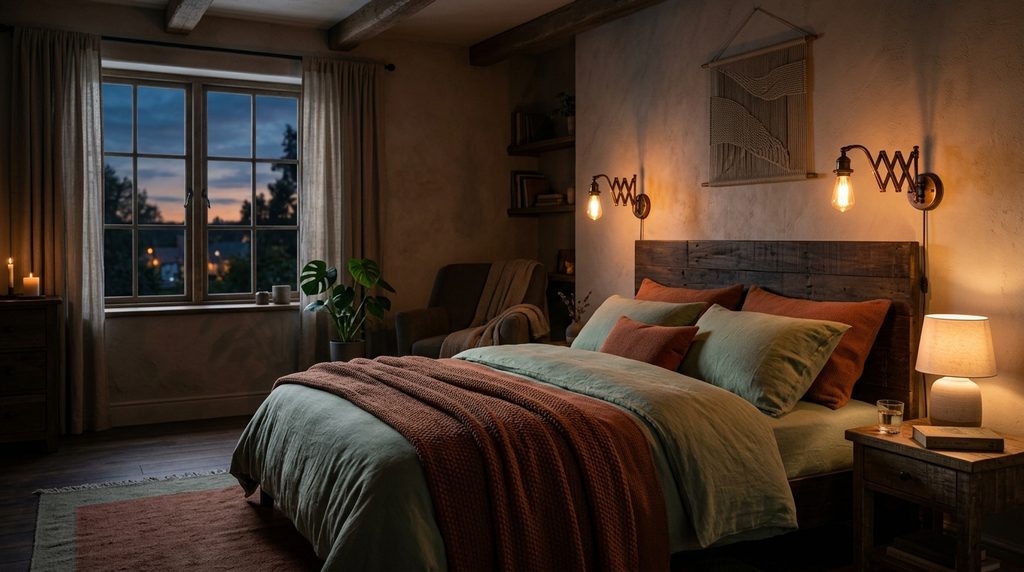
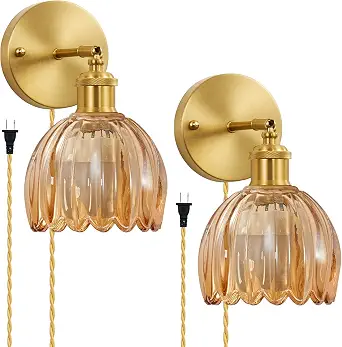
Cocoon bedroom lighting needs to actively signal rest — bright, cool-toned overhead lighting works against everything this aesthetic is trying to achieve.
- Warm wall sconces or table lamps create pools of low light instead of flooding the whole room evenly
- Amber or warm-toned glass shades soften the light further, adding to the enveloping effect
- Dimmable options let the room shift from functional daytime light to a true wind-down glow at night
Switching my bedside lighting from a bright overhead fixture to warm wall sconces changed my evening routine more than I expected — the room itself now cues me to slow down.
6. Bring in Natural Textures for Grounding Warmth
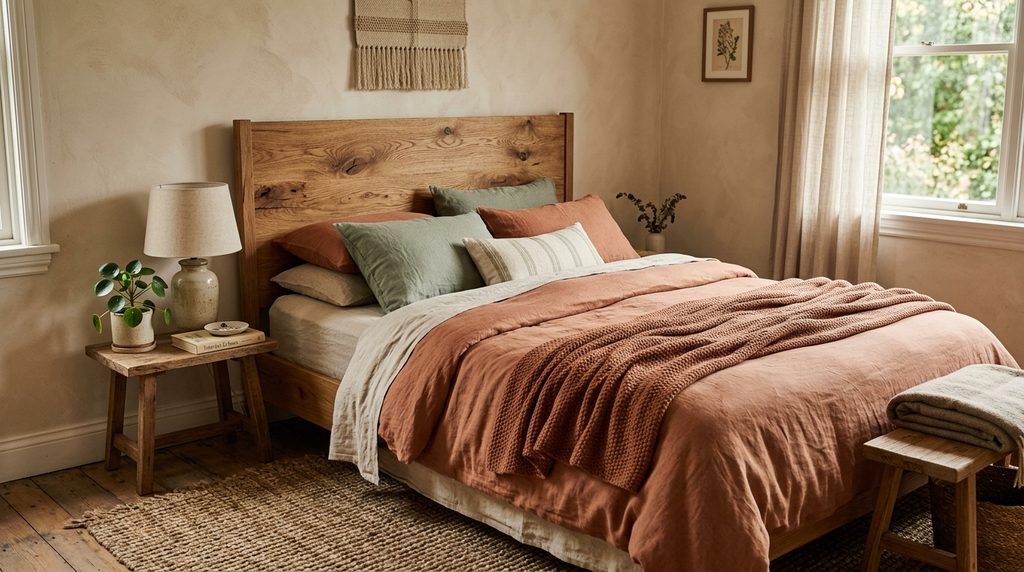
Cocoon bedroom textures rely heavily on natural, tactile materials — wood, linen, wool — which designers consistently link to a feeling of being grounded rather than exposed.
- A wood headboard or nightstand adds warmth that smooth, painted surfaces alone can’t provide
- Layering a wool or jute rug underfoot extends the tactile experience beyond just the bed
- Natural materials age well, which supports the trend’s emphasis on lasting comfort over disposable style
Adding a simple jute rug beside my bed made the whole room feel more finished than any decorative object I’d tried before it.
7. Understand Why This Aesthetic Supports Better Sleep
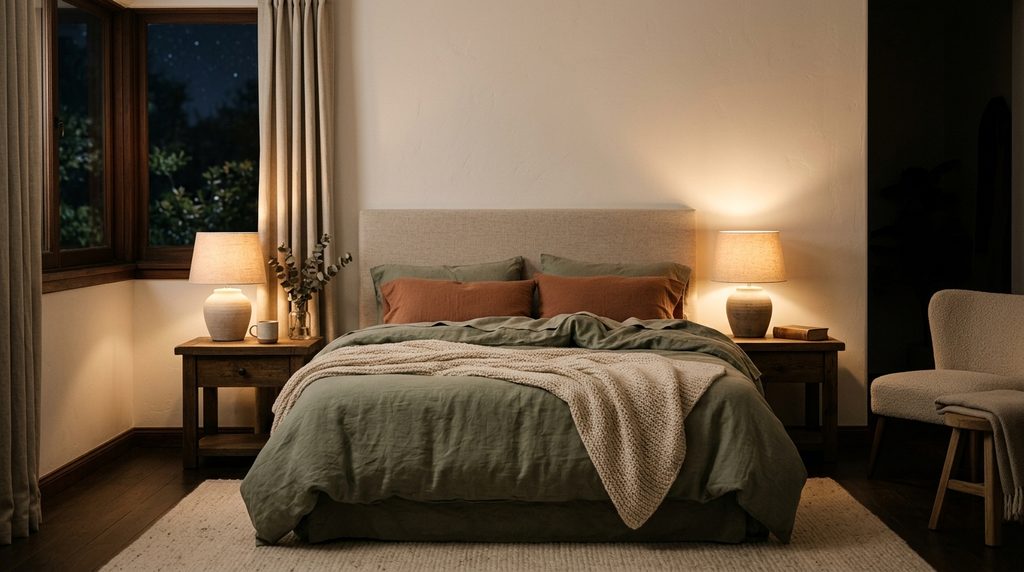
Cocoon bedroom benefits go beyond looking good — designers and sleep-focused sources specifically connect this style to genuinely improved rest quality.
- Warm, dim lighting supports natural melatonin production better than bright, cool-toned light
- A visually enclosed, uncluttered space reduces the sensory input your brain has to process before sleep
- 2026 sleep-focused design trends specifically frame the bedroom as a tool for recovery, not just a place to store a bed
I noticed I fell asleep faster once my room stopped feeling like an extension of my workspace — the cocoon elements gave my brain a clearer signal that this space was only for rest.
8. Apply the Cocoon Feel in a Small Bedroom
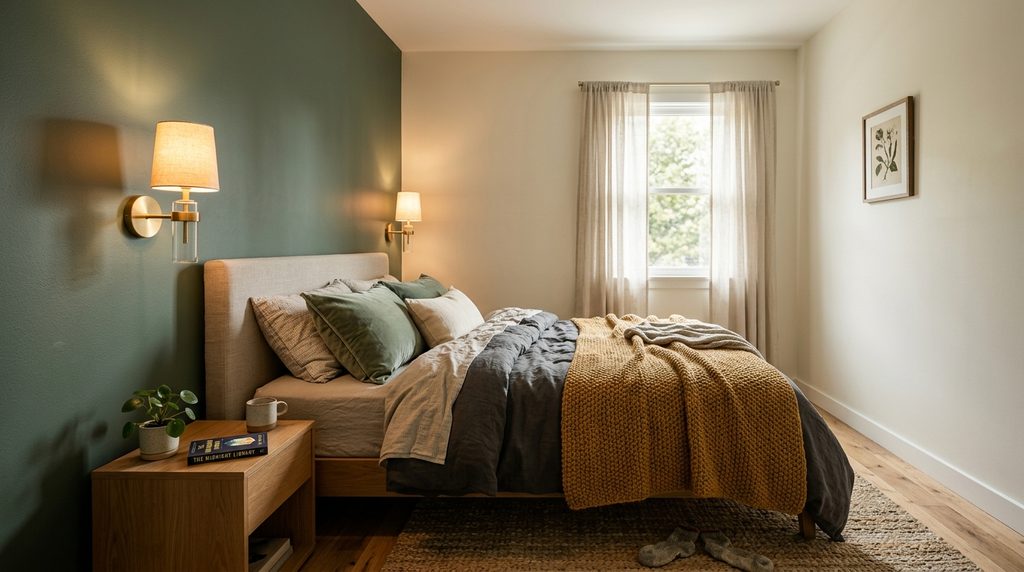
Small cocoon bedroom spaces actually lend themselves well to this aesthetic — a compact room already has a natural sense of enclosure that a large open space has to work harder to create.
- Choose one deep accent wall rather than darkening the whole room, which keeps a small space from feeling cramped
- Layered textiles and warm lighting matter even more here, since they do most of the visual work
- Keep the floor as open as possible so the enclosure comes from color and texture, not clutter
If you’re working with a smaller footprint, our Modern Bedroom Ideas for Couples guide has more layout-specific tips that pair naturally with this cocoon approach.
9. Mistakes That Make a Cocoon Bedroom Feel Stuffy
Most cocoon bedroom mistakes come from confusing “enveloping” with “cluttered” — the aesthetic depends on intention, not on adding as much as possible.
- Piling on textiles without any breathing room, which reads as messy rather than layered
- Using cool-toned lighting that undercuts the warm, grounding colors chosen elsewhere in the room
- Skipping ventilation and airflow, which can make a deeply enclosed room feel genuinely stuffy
- Choosing color and texture with no natural materials mixed in, leaving the room feeling flat
- Treating this as a one-time purchase spree instead of a gradual, intentional layering process
Nearly every mistake here comes down to quantity replacing intention — more blankets and more décor rarely fix what better lighting and one thoughtful color choice could solve instead.
10. Pro Tips to Build This Look Gradually
Cocoon bedroom tips work best applied slowly — this aesthetic rewards patience more than a single big shopping trip ever could.
- Start with lighting and one textured throw before considering any larger furniture changes
- Add one deep-colored accent wall before committing to a full room repaint
- Layer textures gradually over a few weeks rather than buying everything at once
- Reassess after living with the space for a while — what felt like enough on day one sometimes needs one more layer
- For a fuller room refresh built around this same intentional, sanctuary-first approach, our Luxury Bedroom Ideas 2026 guide is a natural next step.
According to Read What Katy Said’s 2026 Bedroom Trends Report →, interior designers are now putting sleep health at the center of bedroom design, with the cocoon concept representing a shift from purely visual trends toward spaces that actively support physical and mental restoration.
Comparison Table: Cocoon vs. Minimalist vs. Boho
| Style | Core Focus | Color Approach |
|---|---|---|
| Cocoon | Enclosure and sleep quality | Deep, grounding, muted tones |
| Minimalist | Restraint and open space | Warm neutrals, limited palette |
| Boho | Eclectic, collected texture | Earthy tones, varied and layered |
Final Thoughts
Cocoon bedroom sanctuary ideas work because they treat the bedroom as more than a place to store a bed — every color, texture, and light source is chosen to help you actually rest. Start with lighting and one layer of texture, build gradually, and let the room become a genuine tool for better sleep rather than just another styled space. If you’re setting this up alongside a partner, our Modern Bedroom Ideas for Couples guide covers how to make a shared space feel just as restorative.
Frequently Asked Questions
Does a cocoon bedroom actually help you sleep better?
Designers and sleep-focused sources link the warm, dim lighting and reduced visual clutter of this style to better sleep quality, since it supports natural melatonin production and reduces sensory input before bed.
What colors work best for a cocoon bedroom?
Deep, grounding tones like sage, terracotta, and warm charcoal work best. These earthy colors create an emotionally supportive environment rather than the stark whites and cool grays of past bedroom trends.
Can a small bedroom pull off the cocoon aesthetic?
Yes, and often more naturally than a large room. A compact bedroom already has a sense of enclosure, so layered textiles and warm lighting do most of the work without needing to darken the entire space.
Is a bed canopy necessary for this look?
No, it’s optional. A canopy or curtained bed adds a fast visual signal of enclosure, but the same effect can be achieved through color, layered textiles, and lighting alone.
How is cocoon style different from boho or minimalist?
Cocoon style specifically prioritizes enclosure and sleep quality through deep, grounding colors. Minimalist focuses on restraint and open space, while boho embraces eclectic, varied texture rather than a tightly grounded palette.
Pingback: 10 Dreamy Bedroom Ideas That Feel Like a Boutique Hotel